
 Facebook
 X
X
 Pinterest
 Copy Link
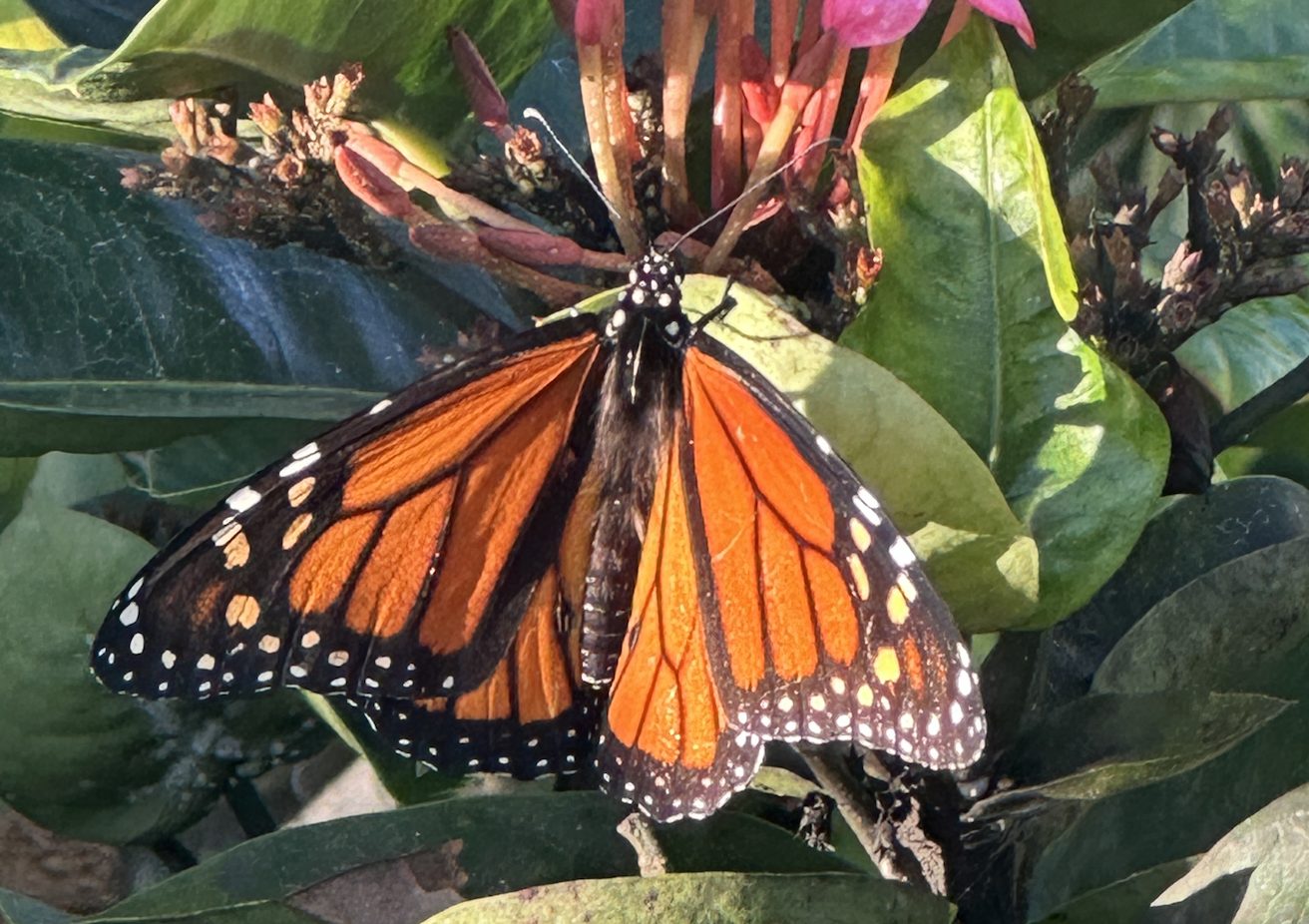
Monarch butterflies (Danaus plexippus) are one of the most recognizable and celebrated butterflies in the world. While most people associate monarchs with their famous migration across North America, many are surprised to learn that monarch butterflies also thrive in Hawaii. In fact, the Hawaiian monarch population is unique, non‑migratory, and plays an important role in theislands’ ecosystems.
This comprehensive guide explains how monarch butterflies came to Hawaii, where to find them, what they eat, and how residents and visitors can help protect them.
Are There Monarch Butterflies in Hawaii?
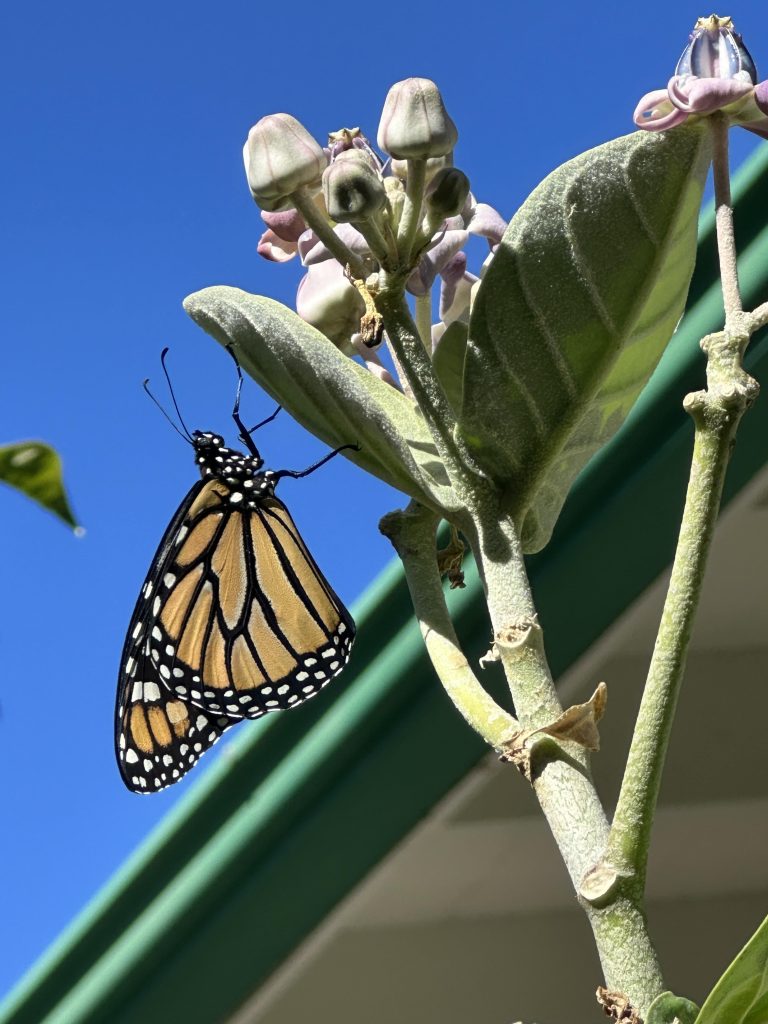
Yes, monarch butterflies live in Hawaii year‑round.
Unlike their mainland counterparts, Hawaiian monarchs do not migrate. Instead, they have adapted to Hawaii’s warm climate and stable conditions, allowing them to breed continuously throughout the year. Monarchs are found on several Hawaiian islands, including Oʻahu, Maui, Hawaiʻi Island, Kauaʻi, and Molokaʻi.
How Did Monarch Butterflies Arrive in Hawaii?
Monarch butterflies are not native to Hawaii. Scientists believe they arrived in the islands during the mid‑1800s, likely carried by strong trade winds or unintentionally transported by ships from North America.
Once established, monarchs adapted quickly due to:
- Hawaii’s warm climate
- Year-round availability of host plants
- Lack of seasonal freezing temperatures
Why Monarch Butterflies in Hawaii Don’t Migrate
Monarch migration is triggered by seasonal changes such as cold temperatures and declining milkweed availability. Hawaii’s environment is different:
- No harsh winters
- Milkweed grows year‑round
- Consistent daylight and temperatures
Because of this, Hawaiian monarch butterflies stay local and reproduce continuously instead of entering migratory diapause.
Monarch Butterfly Life Cycle in Hawaii
The monarch life cycle in Hawaii follows the same four stages seen worldwide, but it happens more frequently due to the warm climate.
1. Egg
Female monarchs lay eggs on milkweed plants. The eggs hatch in 3–5 days.
2. Caterpillar (Larva)
Monarch caterpillars feed exclusively on milkweed leaves, storing toxins that make them unpalatable to predators.
3. Chrysalis (Pupa)
The caterpillar forms a jade‑green chrysalis with gold speckles. This stage lasts about 10–14 days.
4. Adult Butterfly
Adult monarchs emerge, mate, and repeat the cycle. In Hawaii, this cycle can repeat multiple times a year.
What Do Monarch Butterflies Eat in Hawaii?
Host Plants for Caterpillars
Monarch caterpillars rely on milkweed (Asclepias) species, including:
- Tropical milkweed (Asclepias curassavica)
- Giant milkweed (Calotropis gigantea)
- Crown flower (Calotropis procera)
Nectar Plants for Adult Butterflies
Adult monarchs feed on nectar from many flowering plants, such as:
- Pentas
- Lantana
- Zinnias
- Cosmos
- Native Hawaiian plants like ʻilima
Where Can You See Monarch Butterflies in Hawaii?
You may spot monarch butterflies in:
- Gardens and schoolyards
- Coastal areas
- Parks and open fields
- Roadside vegetation with milkweed
Monarchs are especially visible in leeward (drier) areas where milkweed thrives.
Threats to Monarch Butterflies in Hawaii
Despite their adaptability, monarch butterflies in Hawaii face several challenges:
- Loss of habitat due to development
- Pesticide and herbicide use
- Disease, particularly OE (Ophryocystis elektroscirrha), which spreads more easily in non‑migratory populations
- Invasive species and predators
How to Help Monarch Butterflies in Hawaii
Conserving monarch butterflies starts at home. Here’s how you can help:
1. Plant Milkweed Responsibly
Choose native or well-managed milkweed varieties and avoid overcrowding to reduce disease.
2. Avoid Pesticides
Use organic gardening methods and avoid chemicals that harm pollinators.
3. Create a Pollinator Garden
Plant diverse nectar sources to support adult butterflies year‑round.
4. Support Local Conservation Efforts
Participate in community planting projects or citizen science butterfly counts.
Monarch Butterflies and Hawaiian Culture
While monarch butterflies are not native and do not play a traditional role in Hawaiian mythology, they are now a familiar and cherished part of the islands’ natural landscape. Many schools and conservation groups use monarchs as an educational symbol for life cycles, environmental stewardship, and sustainability.
Frequently Asked Questions (FAQ)
Are monarch butterflies endangered in Hawaii?
Monarchs are not officially listed as endangered in Hawaii, but populations face ongoing threats and require active conservation.
Do Hawaiian monarchs migrate?
No. Monarch butterflies in Hawaii are non‑migratory and breed year‑round.
Is tropical milkweed bad for monarchs?
Tropical milkweed can increase disease if not managed properly. Trimming it seasonally can help reduce risks.
When is the best time to see monarch butterflies in Hawaii?
Monarchs can be seen any time of year, though warmer, drier months often offer increased activity.
Final Thoughts: Why Monarch Butterflies Matter in Hawaii
Monarch butterflies in Hawaii represent a fascinating story of adaptation, resilience, and ecological balance. By learning about and protecting these iconic insects, residents and visitors alike can help ensure that monarch butterflies continue to grace Hawaii’s skies for generations to come.
If you’re planning a garden, visiting a park, or teaching children about nature, monarch butterflies offer a powerful reminder of how even small actions can support a healthier environment.
